LIMITED OFFER! Get 10% off on your first order. Use POORNASATTVA10


Have you ever wondered how our grandparents enjoyed sweets in larger quantities yet didn’t struggle with diabetes or other health issues – even in their 70s?
As the world is obsessed with sugar free diets and nutritional food for better health and longevity, isn’t the time we look back and relearn our native indian wellness wisdom! Even if every trend tells you to avoid sugar, we all know that universal craving for sweets never fades. The craving for sweetness is part of who we are. And for generations, India has turned to natural, nourishing alternatives, long before the world began searching for a healthier sweet.
The Craving For Sweetness Is Part Of Who We Are
The craving for sweetness is woven into who we are. From childhood chocolates to birthday cakes and festive laddus, sweetness marks every moment of joy and celebration. It isn’t just a taste—it’s emotion, memory, and tradition. In every home, a little sweetness has always meant love, warmth, and “all is well” and happy moments are meant to be celebrated with sweets.
Why Jaggery Is A Good Sweet Alternative
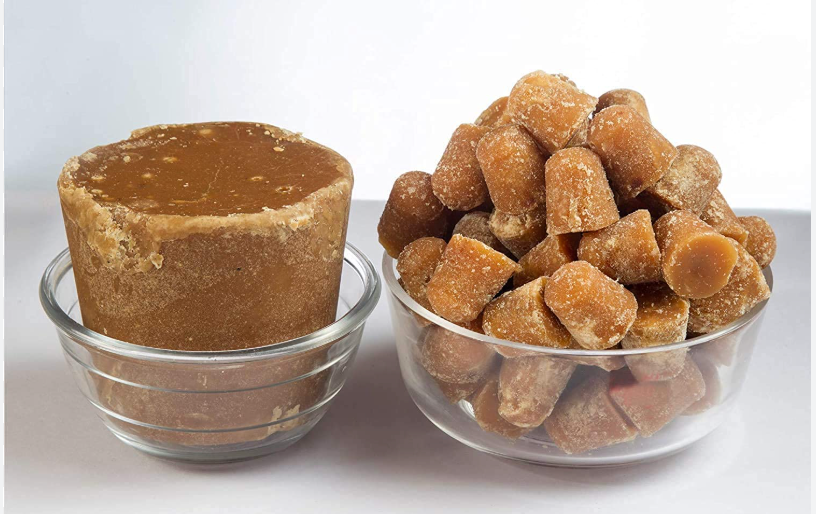
Jaggery isn’t just a sweet, it’s wisdom passed down through generations. Made from pure sugarcane or palm without chemicals, it carries minerals, warmth, and nourishment. Unlike refined sugar, it supports digestion, balances the body, and feels wholesome. For centuries, jaggery has been India’s trusted, natural, and heart-friendly sweet choice.
Jaggery: The Unrefined Nutritional Powerhouse
To many, jaggery feels like a rustic sweetener from the past. But in reality, it’s a nutrient-rich, unrefined powerhouse that refined sugar can never compete with. Today, we aren’t just tasting sweetness, we’re choosing minerals, nourishment, and wisdom over empty calories and modern shortcuts.
📊 Nutritional Profile of Jaggery (Per 100g)
Nutrient | Amount per 100g | Key Benefit |
Calories | 383 kcal | Energy source |
Carbohydrates | approx 97-98 g | Primary energy source (mostly sucrose, glucose, and fructose) |
Iron | 11 mg | Supports oxygen transport and helps prevent anemia. Good for Hair. |
Potassium | approx 1050 mg | Helps regulate blood pressure and supports electrolyte balance. |
Magnesium | approx 70-90 mg | Supports nerve and muscle function, and aids energy metabolism. |
Calcium | approx 40-100 mg | Essential for bone health. |
Phosphorus | approx 20-90 mg | Important for cell energy production and bone structure. |
Protein | approx 0.4 g | Minimal amount. |
Fat | approx 0.1 g | Negligible amount. |
Source Citation :
Nutritional data compiled from various sources, including analysis cited by Healthline and NIH (National Institutes of Health), which report the composition based on a 100g serving.
Note: Though jaggery is more nutritious than white sugar, it is still high in sugar and calories. People with diabetes or other health conditions should consume it sparingly.
Top 5 Jaggery Benefits for a Happier, Healthier Gut
The Medicinal Sugar You Didn’t Know You Needed
Improves Digestive Health
In many Indian households, enjoying a small piece of jaggery after a meal is more than just a habit—it’s tradition. According to a report from the Indian Journal of Traditional Knowledge, jaggery may help activate digestive enzymes and gently cleanse the intestinal tract. This age-old practice supports smoother digestion, making jaggery a comforting and wholesome post-meal ritual rooted in wellness and culture
Aids Natural Liver & Lungs Detox
Jaggery is known for its natural detoxifying properties, helping cleanse the liver, lungs, and blood while supporting digestion and respiratory comfort. Rich in antioxidants and minerals, it’s especially beneficial in polluted environments. According to the Indian Journal of Traditional Knowledge (2015), jaggery consumption may help reduce symptoms in chronic bronchitis and asthma, making it a powerful daily wellness ritual.
Helps Prevent Anemia Naturally & Boosts Immune Strength
Jaggery is a natural immune-supporting sweetener rich in zinc, selenium, and antioxidants. A 2019 study in Nutrition Research and Practice found that jaggery significantly improved haemoglobin levels in adolescent girls, while research in the Journal of Nutrition and Metabolism highlights its role in supporting immune cell function. With slow energy release and phenolic compounds that reduce oxidative stress, jaggery becomes a daily ritual for long-term wellness—especially when enjoyed with tulsi or ginger.
Supports Menstrual Comfort & Balance
Jaggery supports menstrual comfort with its rich iron and folate content, helping maintain healthy blood levels and regulate flow. Its natural warming effect promotes circulation and eases cramps, making it a traditional remedy for painful periods. Jaggery also supports serotonin release, helping reduce mood swings and fatigue. A small daily serving—especially with sesame seeds or warm milk—can provide gentle, natural relief throughout the cycle.
Nourishes Skin Naturally
Jaggery supports healthy, glowing skin thanks to its rich antioxidant profile. Research referenced by the NIH shows antioxidants help combat oxidative stress from free radicals, a key factor in early aging and skin damage. Regular consumption may help improve complexion, soften fine lines, and support a natural glow. Its gentle detoxifying properties also help reduce blemishes, making jaggery a nourishing beauty-from-within ingredient.
Before You Go
While jaggery is still a source of calories and has a higher glycemic index, its value lies in what refined sugar lacks—nutrition, tradition, and holistic wellness benefits. Packed with minerals, antioxidants, and warming properties, jaggery does more than sweeten; it supports digestion, boosts immunity, aids detoxification, improves respiratory comfort, and even contributes to hormonal balance. When consumed mindfully in small daily amounts, jaggery becomes a nourishing alternative to empty sugars, offering slow, sustained energy and meaningful health gains.
So, the goal isn’t to eliminate sweetness—it’s to choose it wisely. A small piece of natural jaggery can be a daily reminder that sweetness, when rooted in nature and moderation, can be both comforting and health-aligned.